An Afternoon Loop Through Koenji's Quieter Corners
A slow afternoon loop through Koenji's backstreets, from the north exit and Junjo arcade to a Nichiren temple, a neighborhood park, Hikawa Shrine, and the south-side galleries.
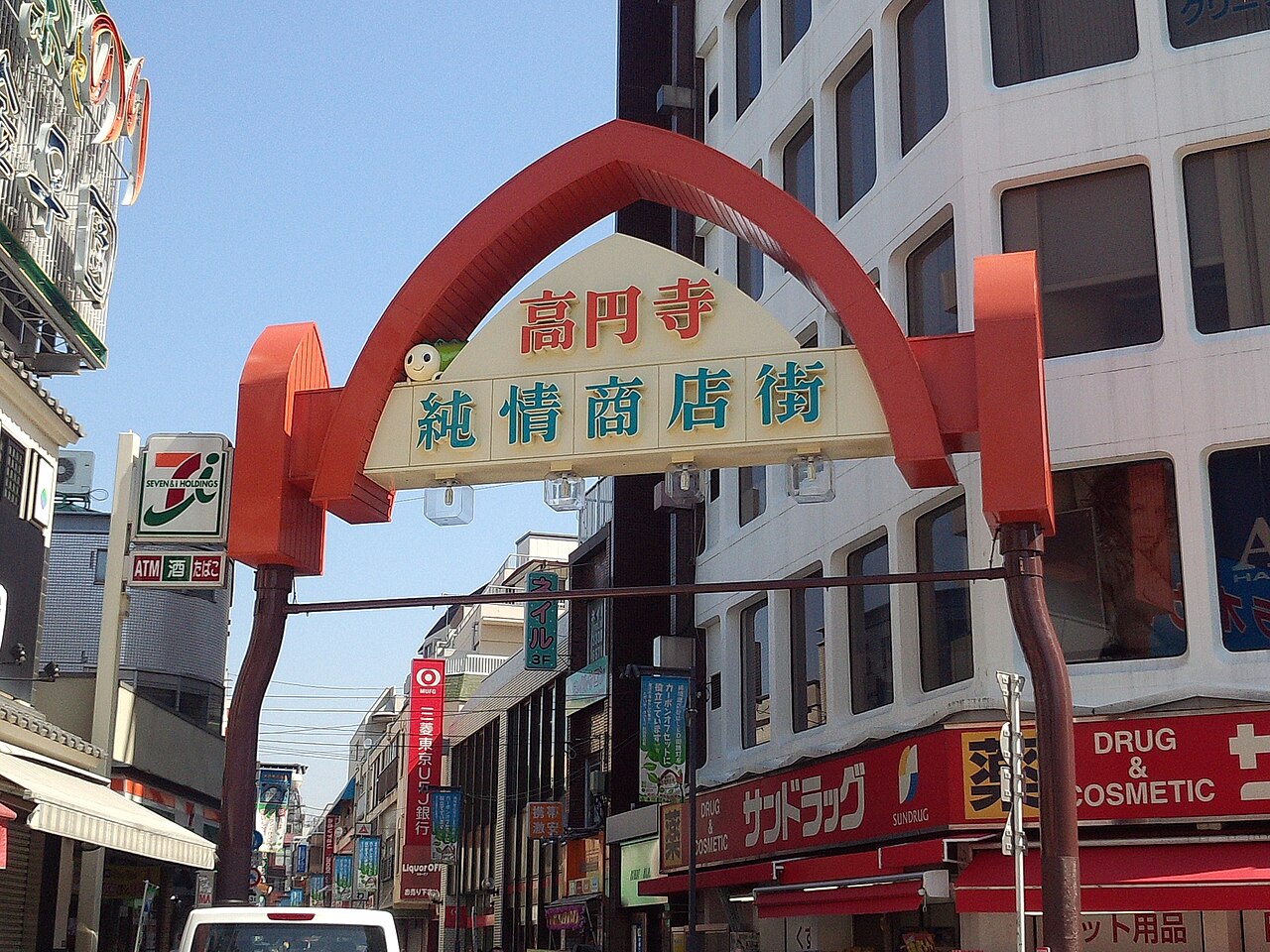
Photo: Yoshibay / Wikimedia Commons, Public domain (source)
The north exit of Koenji Station spits you into a low-ceilinged rotunda where the air smells of butter and sweet bean paste. A bakery stall to the left has been doing steady trade since the morning rush. You walk past a bicycle rack packed three deep, and the sound of a guitar drifts up from a basement live house whose sign is nothing more than a hand-painted arrow.
You are already in the neighbourhood's rhythm, even before you reach daylight.
The walk begins at the north exit of JR Koenji Station, roughly 15 minutes by train from Shinjuku. It loops through the backstreets, the old shopping arcade, two religious sites and a municipal park, then swings back to the station's south side. At a leisurely pace the whole circuit takes between two and three hours, not counting a coffee or a bench stop.
What you get is a slice of Tokyo's shita-machi - its downtown, lived-in character - in a ward better known for residential quiet than for tourist itineraries.
You will not find a formal "Koenji Loop" signposted anywhere. The route is a local habit, a string of places that sit close enough to walk between.
It ties together the neighbourhood's three persistent threads: a grassroots arts scene that operates out of former storefronts, a cluster of religious landmarks that have held their ground since the Edo period, and pockets of green that open up when you least expect them. The pavement is ordinary; the reward is in the details you would miss from a train window.
The arcade, the temple, the park and the shrine each mark a turn in the route. Between them lie vintage clothing racks, a stone Jizo statue and a small municipal art museum whose current show changes by the season. This walk describes a clockwise circuit, starting in the early afternoon when the lunch rush has faded and the light is still good for looking at old wood and new murals.
By the time you circle back, the station square will be filling with the early-evening crowd.
The Station At Dusk And The Sound From Below
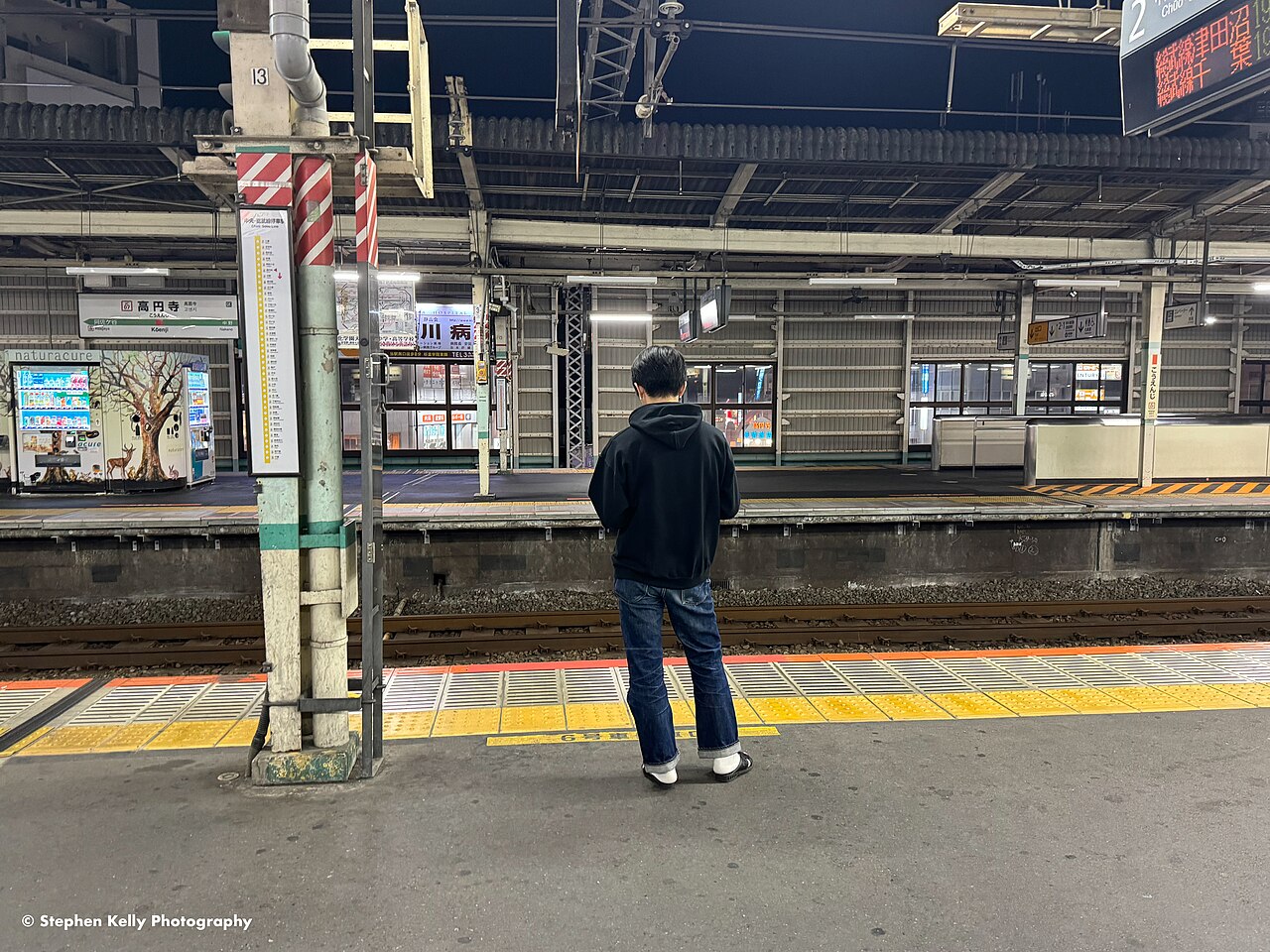
Photo: Stephen Kelly / Wikimedia Commons, CC BY 2.0 (source)
Walk out of the north exit and pause by the taxi stand. To your right, a narrow staircase drops to a basement door plastered with faded band stickers. This is one of Koenji's many live houses, small venues where sets often start before 7 p.m. The soundcheck bleeds through the walls - a bass line you feel through your soles. Koenji's reputation for music is not a marketing angle.
It grew out of cheap rents and soundproofed basements in the decades after the economic bubble burst.
Turn left past the bakery and cross the wide intersection toward the covered arcade. The pedestrian signal here is long, and you will notice how many people are carrying instrument cases. Koenji's density of rehearsal studios is among the highest in Tokyo, a fact that shapes the rhythm of the street. By 2 p.m. the morning practice blocks have ended.
Musicians lean against the shutters of still-closed bars, scrolling through phones, waiting for a bandmate.
The covered arcade, Koenji Junjo Shopping Street, begins unassumingly with a drugstore on the corner. Its roof is low, corrugated plastic panels that turn the afternoon light a warm amber. The arcade holds over 200 shops and restaurants, as recorded by the Tokyo Shopping Guide. Many of them are independent, run by owners who have been here since the Showa era.
The flooring changes from asphalt to textured tile about 50 metres in, a subtle shift that marks the older section of the mall.
Walk slowly here. The first side alley on the right leads to a cluster of vintage clothing stores where racks spill onto the pavement. A denim jacket from the 1970s hangs beside a neatly pressed yukata. Prices are handwritten on cardboard tags. The shopkeeper, an elderly woman with a measuring tape around her neck, nods but does not interrupt. This is not a curated vintage experience.
It is a working second-hand trade, the kind that has defined Koenji's retail since the 1990s.
Midway through the arcade, the smell of roasting coffee overtakes the yakitori smoke. A standing-only counter serves single-origin pour-overs for 450 yen. The barista works in silence, and the only seating is a narrow wooden ledge along the wall. You can watch the arcade's foot traffic while you drink - mothers with strollers, a delivery man on a three-wheeled scooter, a group of teenagers arguing over a band T-shirt.
The arcade is not a tourist set piece. It is a neighbourhood utility, and it is all the better for it.
By the time you reach the far end, the arcade has narrowed to a single lane. A small supermarket with crates of daikon radish out front signals the transition to the residential streets. The recorded jingle from the shop's speaker follows you for half a block.
You are about to leave the commercial strip and enter the quieter, older part of the loop, where the first temple has stood for more than four centuries.
Where The Temple Bell Marks A Different Century
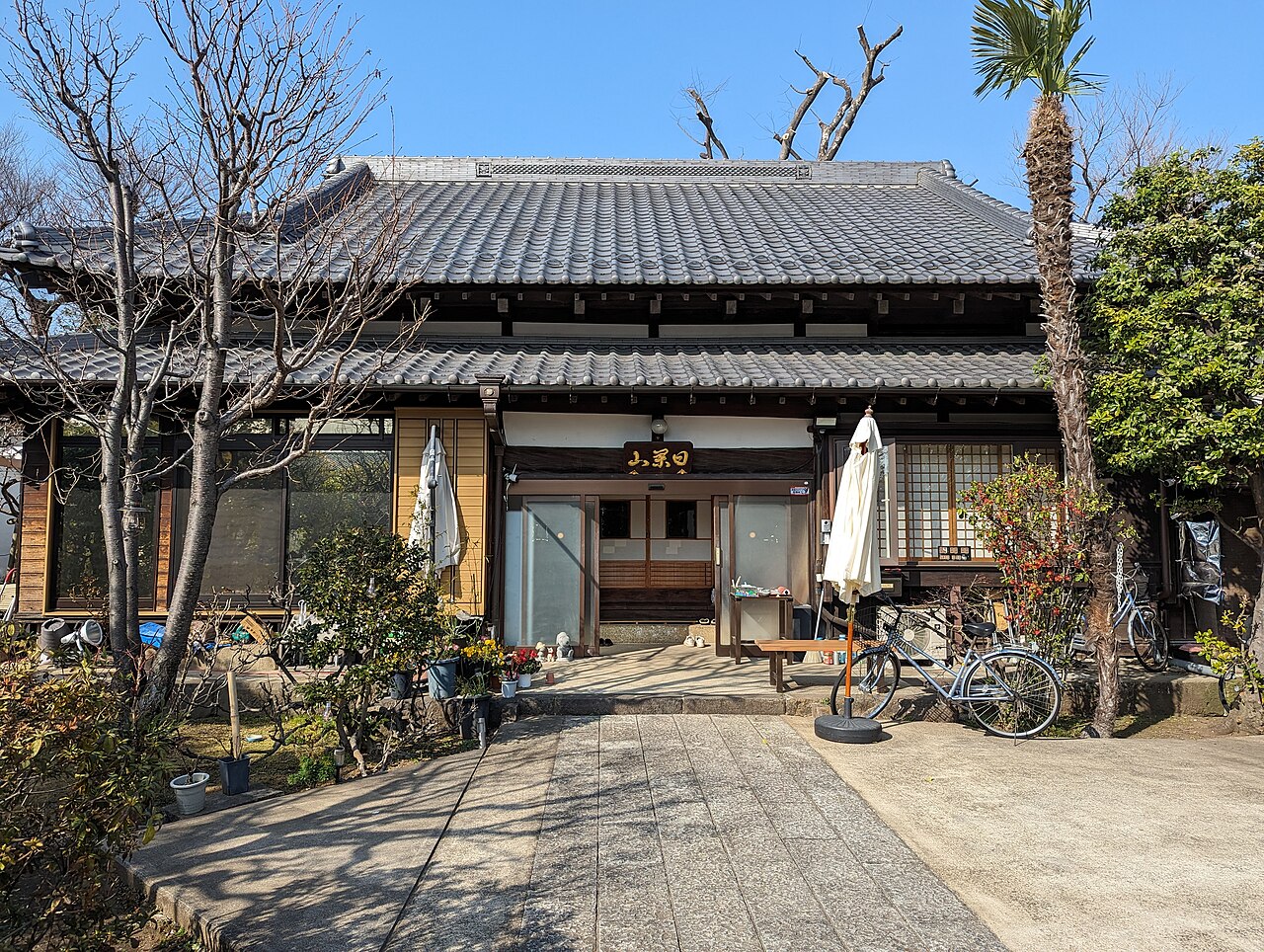
Photo: Syced / Wikimedia Commons, CC0 (source)
Exit the arcade and turn right at the first traffic light. The street becomes residential almost immediately: two-storey houses with tiled roofs, potted plants on the kerb, a cat asleep on a parked van. After three minutes you reach a stone marker engraved with the characters for Koenji Gakudo. The temple's entrance is modest, a weathered wooden gate set back from the road.
There is no admission fee, no ticket booth and no gift shop.
The Nichiren Buddhist temple was founded in 1596, according to a record held by Suginami Ward History. Its main hall survived the firebombing of 1945, which makes it one of the older wooden structures still standing in the ward. The roof tiles are a deep grey, streaked with moss. The wooden steps leading to the hall are worn smooth in the centre, polished by centuries of footsteps.
You can slip off your shoes and step inside if the doors are open, though there is no guarantee - the hall is closed during private services.
To the left of the main hall, a small cemetery holds the graves of local families. The stone markers are crowded together, some tilted with age. Incense sticks smoulder in a bronze holder near the entrance, and the smell hangs in the still air. A noticeboard by the gate lists the monthly sutra-chanting schedule, written in careful calligraphy.
The temple does not market itself to visitors, but a sign in Japanese asks you to keep your voice low and to refrain from photographing the graves.
Behind the hall, a narrow path leads to a bell tower. The bell is rung only on New Year's Eve and during the autumn equinox, but you can stand close enough to see the casting marks on its surface. The tower's wooden frame creaks in the wind, a sound that cuts through the neighbourhood's ambient hum.
From here you can see the roofline of the houses below, a patchwork of blue tile and silver ventilation ducts.
Walk back toward the gate and look for a small stone basin filled with water and bamboo ladles. This is the chozuya, where worshippers purify their hands before approaching the altar. The water is cold, drawn from a well beneath the temple grounds. The ritual is simple: ladle water over your left hand, then your right, then rinse your mouth without touching the ladle to your lips.
Most visitors skip it, but the basin is a quiet reminder that the temple is an active place of practice, not a museum piece.
The temple's connection to the neighbourhood is visible in the small offerings left at the altar: a carton of eggs, a bag of rice, a handwritten prayer slip. Koenji Gakudo is not a destination temple. It is a parish temple, the kind that anchors a community without fanfare.
You can spend 20 minutes here and see no one else, or you might arrive during a memorial service and hear the chanting from the street. Either way, the temple sets a slower pace for the next stretch of the loop.
From the temple gate, turn left and walk downhill toward the park. The street dips slightly, and the sound of children's voices begins to carry. A vending machine selling hot canned coffee marks the corner. You are three minutes from the green space that gives the neighbourhood its name.
A Pond, A Playground And The Weight Of Cherry Branches
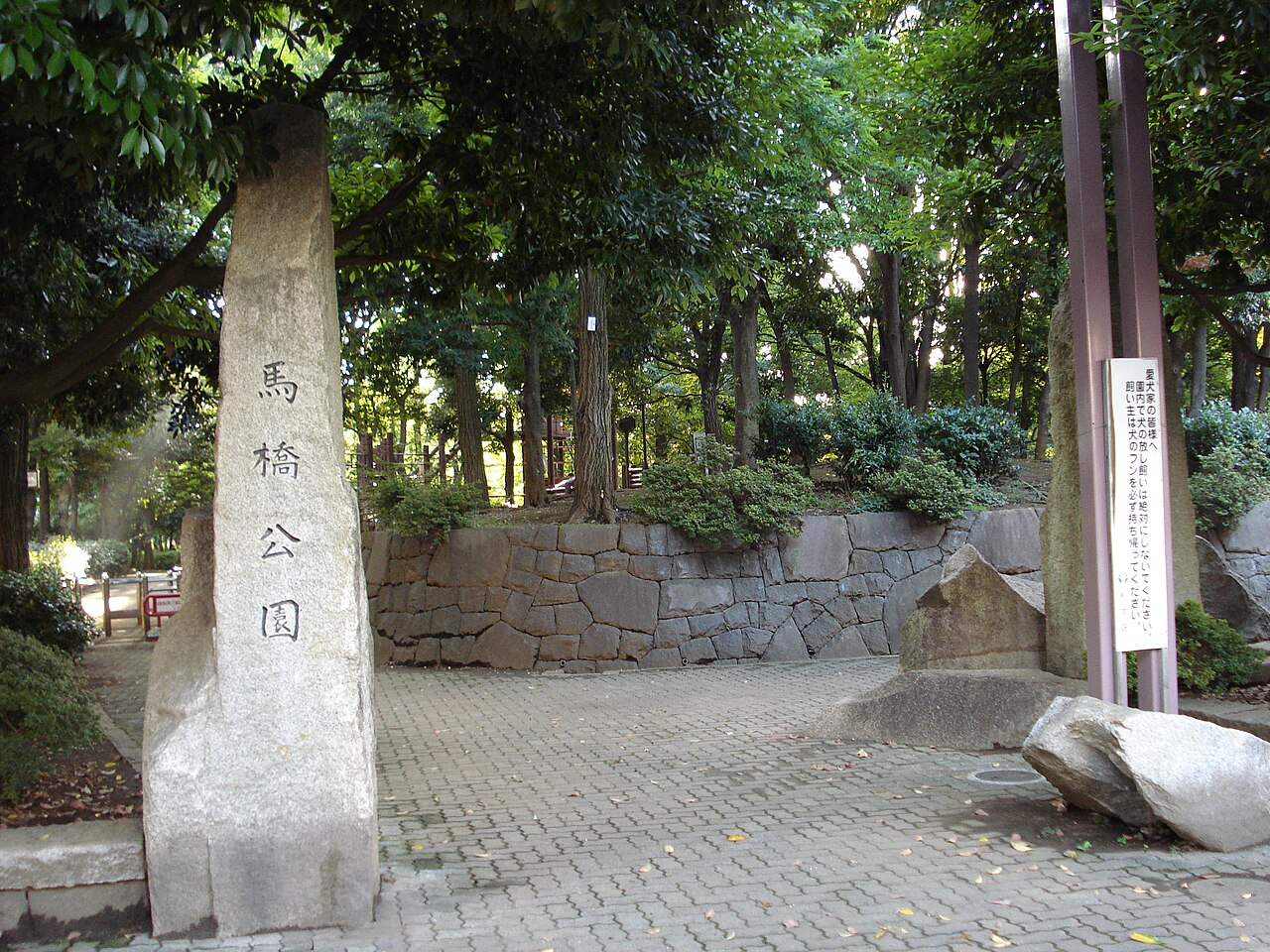
Photo: Tyoron2 / Wikimedia Commons, CC BY-SA 3.0 (source)
Koenji Park opens up suddenly, a 2.5-hectare rectangle of green wedged between low-rise apartment blocks. The park covers 2.5 hectares, as measured by the Tokyo Park Guide. Its centrepiece is a small pond ringed with cherry trees that were planted in the early postwar years. In late March the branches bow low with blossom, and the park fills with families laying out blue tarpaulins for hanami parties.
In other seasons the pond is a still, brown mirror, reflecting the apartment balconies above.
Walk the gravel path that circles the pond. Halfway around, a wooden footbridge crosses a narrow inlet where koi carp gather, waiting for breadcrumbs. The fish are large and slow, their orange scales vivid against the dark water. A sign asks you not to feed them, but the carp have learned to expect handouts. They rise to the surface whenever a shadow falls across the bridge.
The footbridge is a good place to stop and take in the park's layout - the playground to the north, the toilet block to the south, the shrine entrance just visible through the trees.
The playground is a tangle of climbing frames, slides and spring-mounted animals on a sand base. By 3 p.m. it is loud with toddlers and after-school energy. A bench near the water fountain offers a view of the whole scene without being in the middle of it. The fountain itself is an old stone basin, not a modern drinking tap, and the water runs cold even in summer.
Fill a bottle here if you need to; the next reliable water stop is back at the station.
At the park's northern edge, a row of ginkgo trees turns brilliant yellow in November. The leaves drop within a single week, carpeting the path in a thick, slippery layer. The park staff rake them into piles, but the wind undoes their work by the next morning. In summer the same trees cast a dense shade that lowers the temperature by several degrees.
A man practices tai chi under the branches most mornings, moving so slowly that you might not notice him at first.
A small pavilion with a corrugated roof stands near the ginkgo row. It is empty most days, a simple shelter with four benches and a concrete floor. The roof amplifies the sound of rain, and on wet afternoons you can sit here and watch the pond's surface dimple. The pavilion is unremarkable architecturally, but it is one of the few dry spots on the loop if the weather turns.
The park has no café, no kiosk and no vending machines inside its gates, so bring whatever you want to drink or snack on.
The park's design is functional rather than ornamental. It was built on land cleared after the war, and its purpose has always been to serve the surrounding blocks. The pond is a flood-control basin, the playground is standard municipal issue, and the benches are bolted to concrete pads.
What makes it worth the stop is the contrast it provides: a sudden breath of open sky after the tight streets and covered arcade. You can walk the full circuit of the pond in five minutes, but the loop invites you to sit for longer.
When you are ready to move on, head for the south-east corner of the park, where a narrow path leads past a public toilet block and out to a side street. The shrine is a two-minute walk from here, its torii gate visible above the rooftops. A small sign in Japanese points the way.
The path is unlit at night, but in the afternoon it is a quiet, shaded lane lined with azalea bushes that bloom pink in May.
The Shrine In The Trees And The Jizo By The Wall
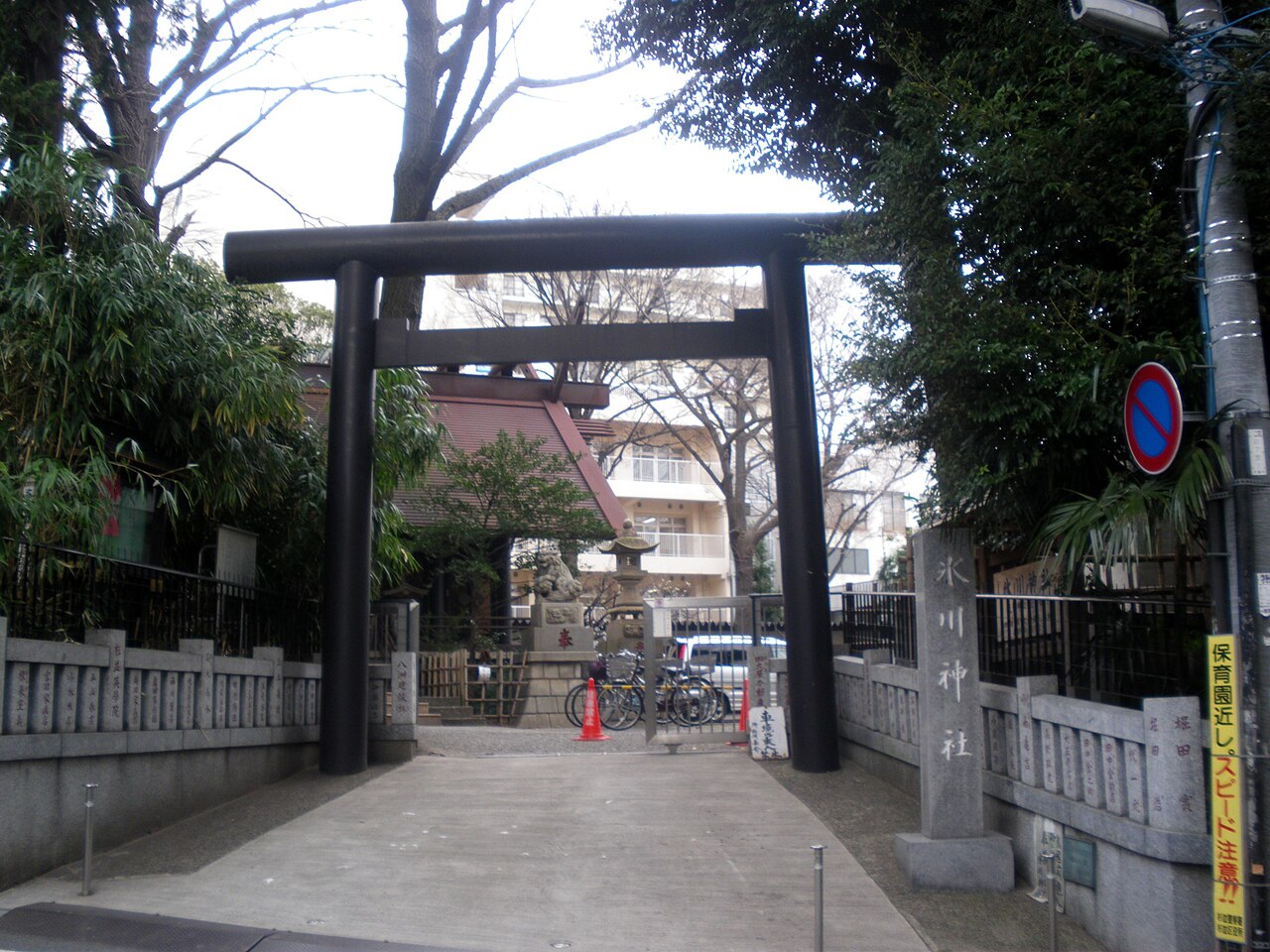
Photo: Kentin / Wikimedia Commons, CC BY-SA 3.0 (source)
The torii gate of Koenji Hikawa Shrine stands at the top of a short flight of stone steps. The gate is concrete, not wood, painted a deep vermilion that has faded to a dusty orange. It was erected in the early Showa period, replacing an older wooden gate that had rotted at the base.
The shrine itself was founded in 1630, according to a plaque near the offering box, and it has occupied this plot through fires, earthquakes and the redevelopment of the surrounding blocks.
Step through the gate and you enter a small grove of camphor and zelkova trees. The canopy closes overhead, and the traffic noise from the main road drops away. A gravel path leads to the main hall, a modest structure with a copper roof that has developed a green patina.
The hall is closed to visitors, but you can approach the offering box, toss in a coin, and pull the thick rope to ring the bell above. The sound is sharp and brief, swallowed by the trees.
To the right of the main hall, a row of smaller hokora shrines stands under a wooden shelter. Each one is dedicated to a different kami, and the fox statues flanking the Inari shrine wear red bibs that have been replaced recently. The bibs are a local tradition, tied by worshippers who have come to pray for business success or a safe childbirth.
A wooden plaque lists the names of donors from the past year, many of them from the shopping arcade you walked through earlier.
The shrine's forested area is small - no more than a few dozen trees - but it is dense enough to feel separate from the city. A bench near the back wall looks onto a patch of ferns and a stone lantern covered in moss. The lantern dates to the Meiji period, its inscription worn almost smooth.
Sit here for five minutes and you will hear birds you did not notice in the park: bulbuls, mostly, and the occasional Japanese tit. The shrine is a pocket of quiet that the loop would be thinner without.
Walk back toward the gate and look for a side path that leads to a low stone wall. Tucked against the wall is the Koenji Jizoson, a stone statue of Jizo, the protector of children and travellers. The statue is about knee-high, its features softened by weather. A red cap and bib have been tied around its neck, and a small pile of coins sits at its base.
The Jizo is a local landmark, not an official tourist site, and you might walk past it twice before you spot it.
The tradition of dressing Jizo statues in red is widespread in Japan, but this particular statue has been tended by the same family for three generations. A neighbour who lives in the house directly opposite comes out each morning to sweep the leaves from the statue's base and replace the flowers in the tin can beside it.
The Jizo is a reminder that the loop is not a curated heritage trail. It is a series of places that people use, tend and pass by every day.
From the Jizo, walk downhill toward the main road. The street opens up, and the sound of buses and delivery trucks returns. Cross at the pedestrian light and you will see the low concrete building of the Koenji Art Museum on the next block. The museum's entrance is easy to miss - a glass door set into a beige wall, with a small banner advertising the current exhibition.
The shift from the shrine's grove to the museum's fluorescent-lit lobby is abrupt, but it captures the loop's rhythm: old wood, then new paint, then old wood again.
A Municipal Gallery And The Art Of The Everyday
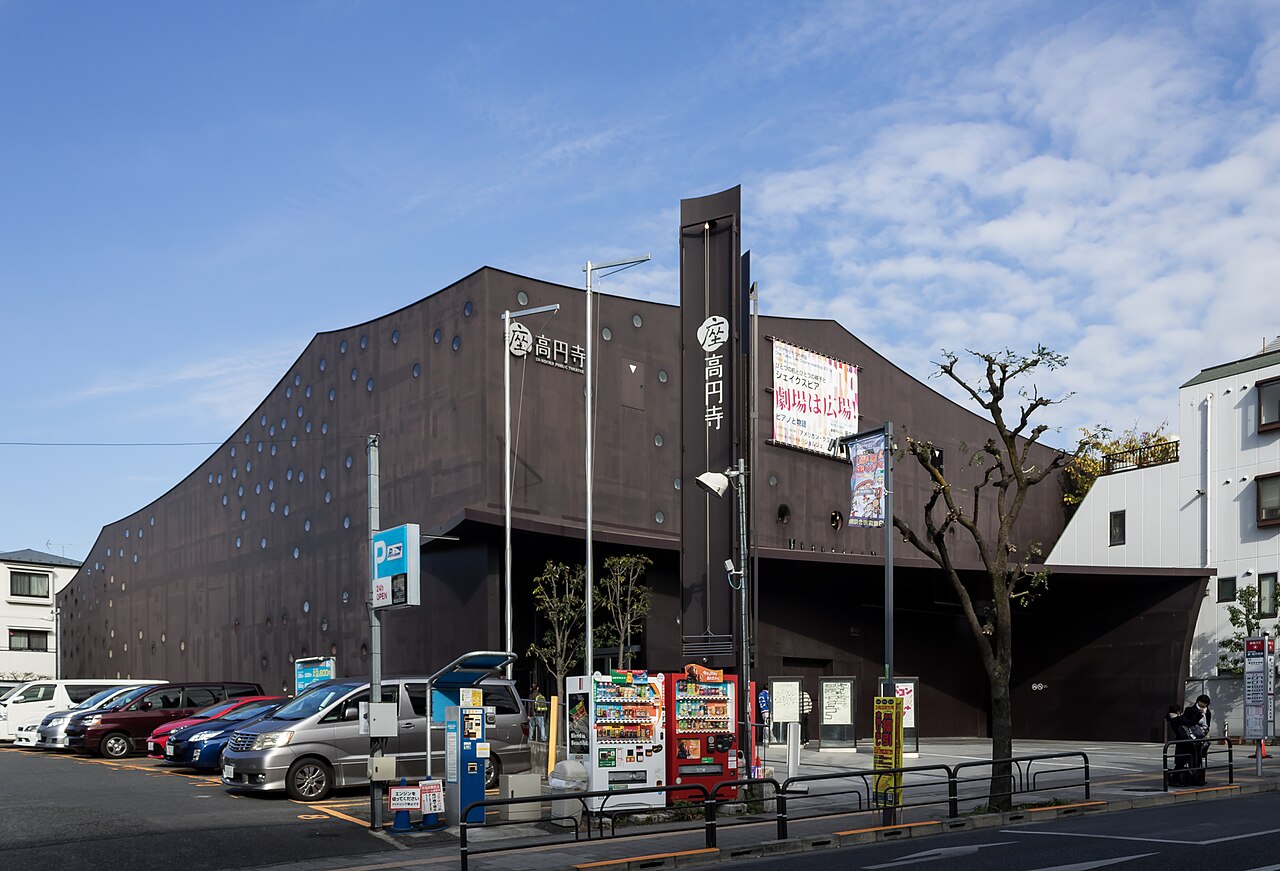
Photo: Kakidai / Wikimedia Commons, CC BY-SA 4.0 (source)
The Koenji Art Museum is a small municipal institution run by Suginami Ward, as noted by Suginami Ward Tourism. It occupies the ground floor of a community centre, sharing the building with a library and a meeting room for the neighbourhood association. Admission is typically 300 yen, though some exhibitions are free. The museum has no permanent collection.
Instead, it mounts rotating shows that focus on local artists, contemporary craft and the cultural history of the ward.
The current exhibition changes by the season, so what you see depends on the month of your visit. A spring show might feature woodblock prints by a Suginami-born artist who studied under a master of the sosaku hanga movement. An autumn exhibition could display ceramics from a kiln that operated in the area until the 1960s.
The labels are in Japanese, but many works speak for themselves: a series of ink drawings of the shopping arcade, a quilt stitched from recycled kimono fabric, a photograph of the Awa Odori festival taken from a rooftop.
The museum's connection to the loop's theme is direct. The art on display is not imported from a distant collection. It is made by people who live in the ward, and it reflects the streets you have just walked. A painting of the temple bell tower, hung near the entrance, shows the same moss-streaked roof tiles you saw an hour earlier.
The museum makes the loop feel intentional, as though the walk has been building toward a coherent picture of the neighbourhood's creative life.
The gallery space is two rooms, each about the size of a large living room. The lighting is track-mounted and a little too bright, the kind of municipal fit-out that prioritises visibility over atmosphere. Benches in the centre of each room let you sit and look at a single work for as long as you like. On a weekday afternoon you may be the only visitor.
The silence is broken only by the hum of the air conditioner and the occasional thud of a book being reshelved in the library next door.
A small desk near the exit sells postcards and exhibition catalogues. The catalogues are slim, usually no more than 30 pages, and they cost around 500 yen. They are worth buying if you want to understand the context of the work, though the staff rarely speak English. A guestbook on the counter invites visitors to leave comments, and flipping through it reveals entries in Japanese, English, French and Korean.
The museum is not a major draw, but it draws people who have made the effort to find it.
The museum closes at 5 p.m., so plan to arrive by 4 p.m. at the latest. The walk from the shrine takes less than five minutes, and the museum's compact size means you can see everything in half an hour. When you step back outside, the afternoon light will have begun to soften.
The loop's final stretch takes you past a cluster of independent galleries and back toward the south side of the station, where the evening is beginning to stir.
The South Side, The Galleries And The Last Coffee
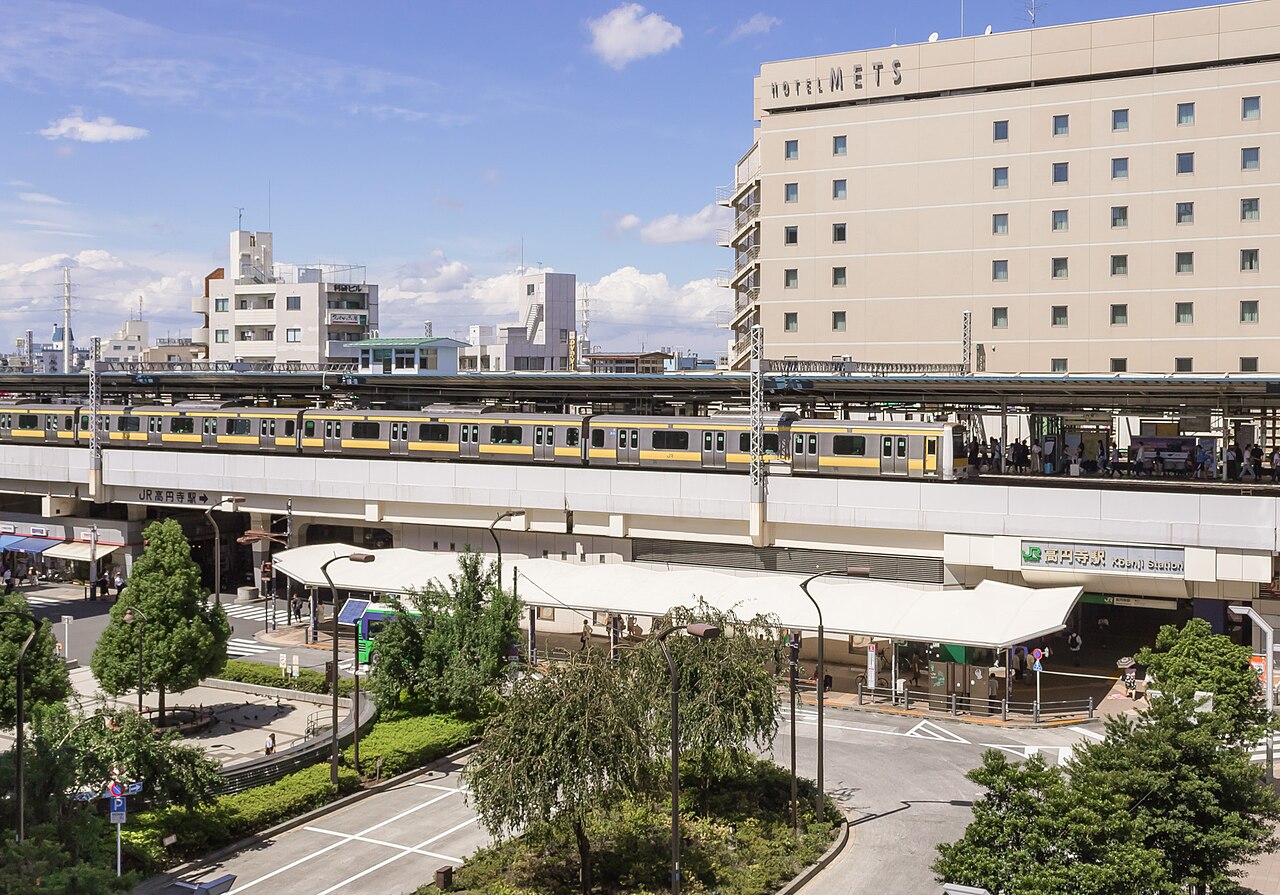
Photo: Kakidai / Wikimedia Commons, CC BY-SA 4.0 (source)
The south exit of Koenji Station is less busy than the north, but it has its own character. A narrow lane runs parallel to the tracks, lined with izakaya that have not yet opened for the evening. Staff in aprons arrange plastic stools on the pavement, and the smell of charcoal drifts from a chimney behind a yakitori joint. The lane feels provisional, a space that will transform after dark.
In the late afternoon it is quiet enough to hear the trains rumbling overhead.
Tucked between the izakaya are two small galleries that operate out of converted apartments. One, a white-walled room on the second floor, shows work by recent graduates of Tokyo art schools. The other, a ground-floor space with a corrugated metal door, specialises in screen prints and zines.
Both galleries are free to enter, and their hours are irregular - a handwritten sign on the door might say "open today 2-6 p.m." or simply "back in 20 minutes." The uncertainty is part of the experience.
The galleries are the loop's final nod to the arts thread that began in the arcade. They are not institutions; they are projects run by individuals who pay the rent by working other jobs. The work on display is uneven, but it is alive in a way that a more polished venue might not be.
A series of charcoal sketches of the park's pond, priced at 3,000 yen each, captures the same still water you passed two hours ago. The loop closes its own circle here.
Walk to the end of the lane and turn left onto the main road that leads back to the station's south entrance. A coffee stand operates from a van parked in a vacant lot, serving drip coffee from a folding table. The owner, a man in his thirties with a tattoo of a coffee cherry on his forearm, roasts the beans in a shared facility in western Tokyo.
A cup costs 400 yen, and there is a single bench made from a reclaimed railway sleeper. Sit here and watch the station's pedestrian flow while the coffee cools.
The station building itself is a 1960s concrete box, unremarkable except for the mural that covers its south wall. The mural, painted by a local artists' collective in 2018, depicts the Awa Odori festival in swirling blues and golds. The festival, held annually in late August, draws over a million visitors and features 10,000 dancers, according to the Koenji Awa Odori Official Site.
For two days the streets you have walked become a river of dancers in cotton yukata, and the loop is impassable. In any other season, the mural is a reminder of the energy that sleeps beneath the neighbourhood's quiet surface.
The loop ends where it began, at the station's ticket gates. You have walked for roughly two and a half hours, not counting stops. The route is not demanding, but it rewards attention. You have passed a temple that survived the firebombing, a shrine that has stood since 1630, a pond that reflects the seasons and a series of small, determined acts of creativity.
The neighbourhood has not been packaged for you. It has simply been there, and you have walked through it.
The Practical Details
- Start and end point: JR Koenji Station, north exit (start) and south exit (end). The station is on the Chuo Line, roughly 15 minutes from Shinjuku.
- Walking time: 2-3 hours at a leisurely pace, excluding stops.
- Route direction: Clockwise loop from the north exit through the shopping arcade, Koenji Gakudo temple, Koenji Park, Hikawa Shrine, the Koenji Art Museum and the south-side galleries.
- Museum hours: The Koenji Art Museum typically closes at 5 p.m.; check the current exhibition schedule on the Suginami Ward website before your visit.
- Costs: The walk itself is free. Museum admission is typically 300 yen; some exhibitions are free. Coffee in the arcade costs about 450 yen; coffee from the south-side van costs about 400 yen. Bring cash, as many small shops and the museum do not accept cards.
- Best time: Early afternoon, starting around 1 p.m. or 2 p.m., to finish before the museum closes. Late August brings the Awa Odori festival, which makes the route impassable but spectacular; plan around the festival dates if you want a quiet walk.
- Access note: The temple and shrine have gravel paths and stone steps; the park has paved paths. The museum is wheelchair-accessible via a ramp at the community centre entrance.
A Takeaway From The Walk
The loop does not announce itself. It has no ticket, no guide and no fixed route. What it offers is a neighbourhood that has kept its own rhythms - the bass line from a basement, the incense at a parish temple, the carp rising in a municipal pond.
The art is not in a grand museum but in a community centre, and the history is not behind glass but under moss on a temple roof. Walk it once, and you will notice how much of Tokyo lives in these ordinary spaces, waiting for someone to slow down.
Sources
- Koenji Travel Guide - Japan Travel
- Koenji Awa Odori Festival Official Site
- Koenji Gakudo Temple - Suginami Ward History
- Koenji Art Museum - Suginami Ward
- Suginami Ward Official Tourism Site - Koenji
- Koenji Park - Tokyo Park Guide
- Koenji Junjo Shopping Street - Tokyo Shopping Guide
- Koenji Hikawa Shrine - Tokyo Shrines