Reading A City By Its Market
A municipal market tells you what a city grows, what it imports, and who does the work — usually in that order.
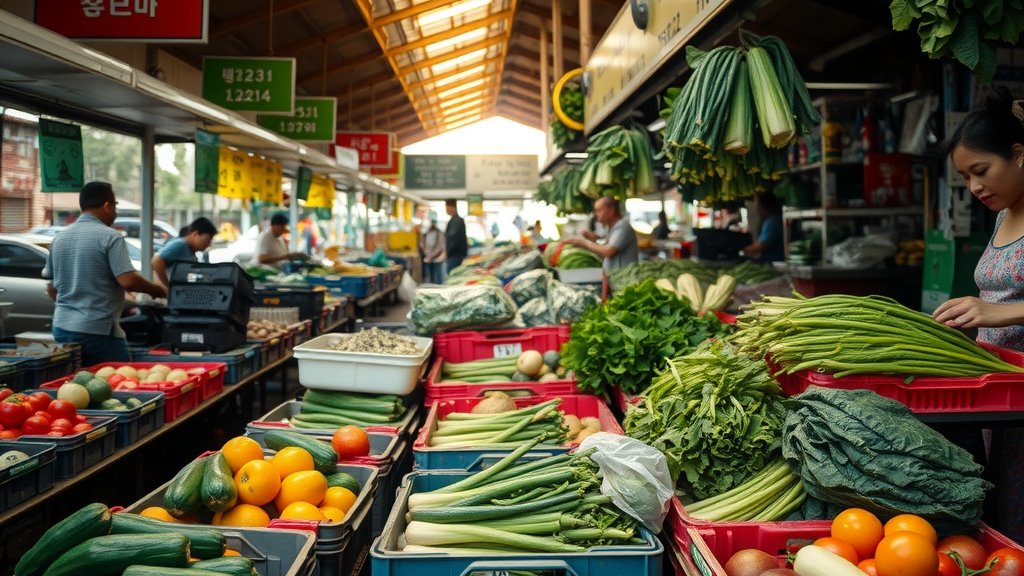
Guidebooks send you to the monuments. The monuments tell you what a city wants to be remembered for, which is a curated answer. A market tells you what the city actually eats, which is a much harder thing to fake.
What To Look At First
Walk past the prepared food and go to the raw ingredients. That is where the honest information is.
- What is abundant is what the surrounding region grows. Piles of one vegetable mean it is in season and nearby.
- What is expensive is what the city imports. The price gap between the local and the imported version of the same thing is a map of terrain and trade routes.
- What is sold already prepared tells you who has less time than money.
The Stalls On The Edges
The stalls at the entrance are rented by people who can afford the entrance. The stalls at the back, near the loading, are where the actual producers tend to be — or the wholesalers who sell to the restaurants that the guidebooks do recommend.
Go early. Not because it is picturesque, though it is, but because the market before opening is a logistics operation, and a logistics operation is legible in a way the retail version is not. You can see where things come from.
What You Learn
A city that sells mostly prepared food is a city where most people work hours that do not leave room for cooking. A city with a vast, cheap, raw market is a city with domestic labour still inside the household. Neither is a moral judgement; both are facts about how people spend their days, and neither is visible from the top of the observation deck.
The market is the least mediated document a city produces. Read it first, then go look at the monuments to see what it decided to say about itself.